Alinging the design system
Enabling faster, more consistent product delivery across teams.
As the primary owner of the design system, I work directly with engineers on the core team to manage contribution and governance. I facilitate engineering stand-ups, prioritise the backlog into sprints, and collaborate with engineers on research projects and POCs that move the system forward.
A focus on communication and collaboration that helped meet 2023 roadmap goals, accelerating feature delivery for international expansion and enterprise deals.
Collaboration across every stage of product delivery
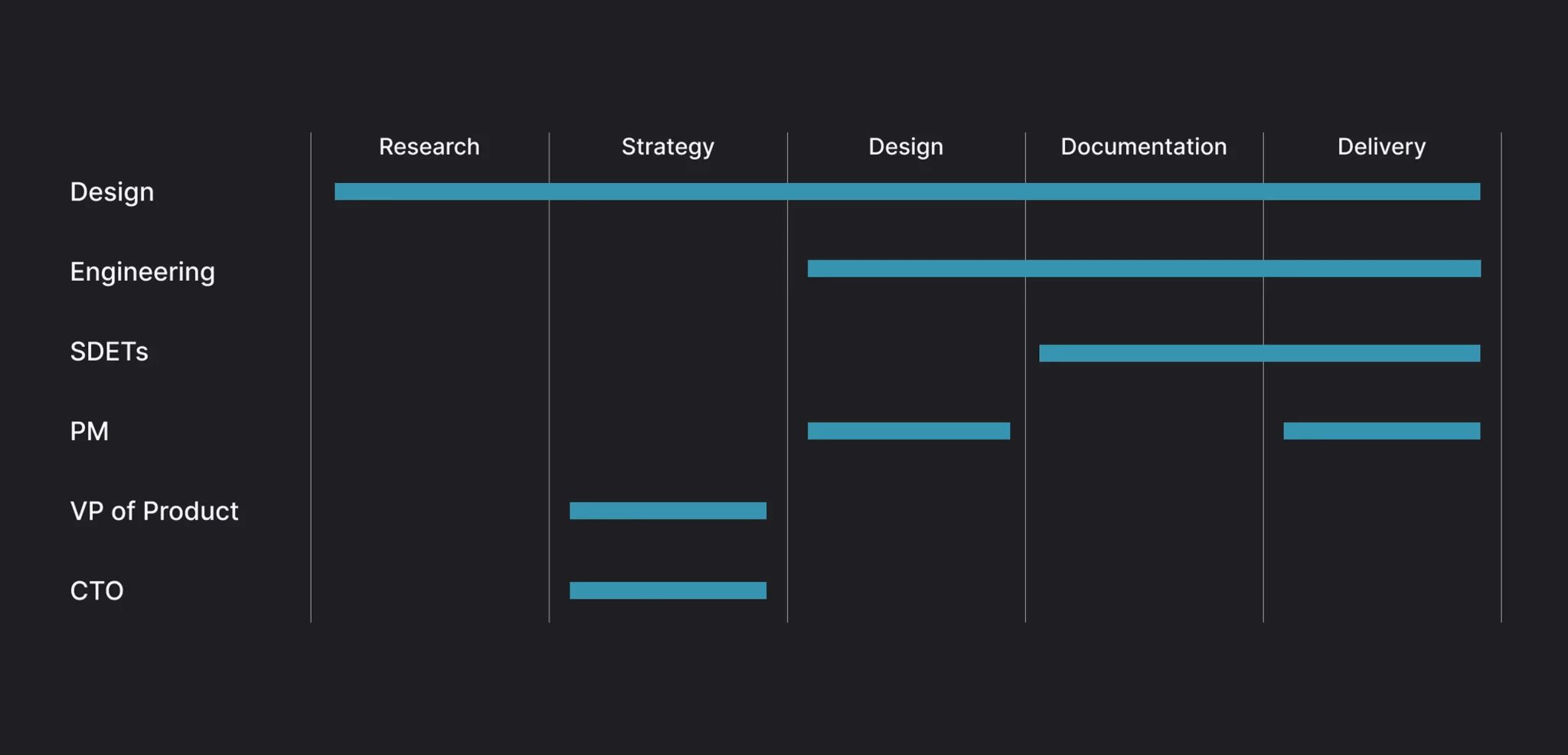
The timeline above shows how the design system intersects with stakeholders across Semble. A key focus has been identifying clear on-ramps for the system to align with the roadmap, working closely with product and delivery managers. By anticipating upcoming needs, we’ve stayed one step ahead as a design systems team, from testing new UI patterns with users and iterating on feedback, to partnering with developers on open-source solutions that enable faster, higher-quality outcomes. An ongoing challenge has been ensuring the system can scale alongside rapidly growing feature teams.
Design system as a must-have spec
During the system’s first audit, I used quantitative data to evaluate performance and identify areas for improvement. This was paired with desk research into industry-leading design systems, alongside qualitative insights from surveys, testing, and interviews. To achieve sustained adoption, I responded to queries in our design system help channel, advocated for adoption as a must-have requirement in all new feature specs, drove conversations around adoption metrics with design and engineering, trialled analytics tools such as Omlet, and improved documentation using Zeroheight and Storybook.
Accessible date of birth input
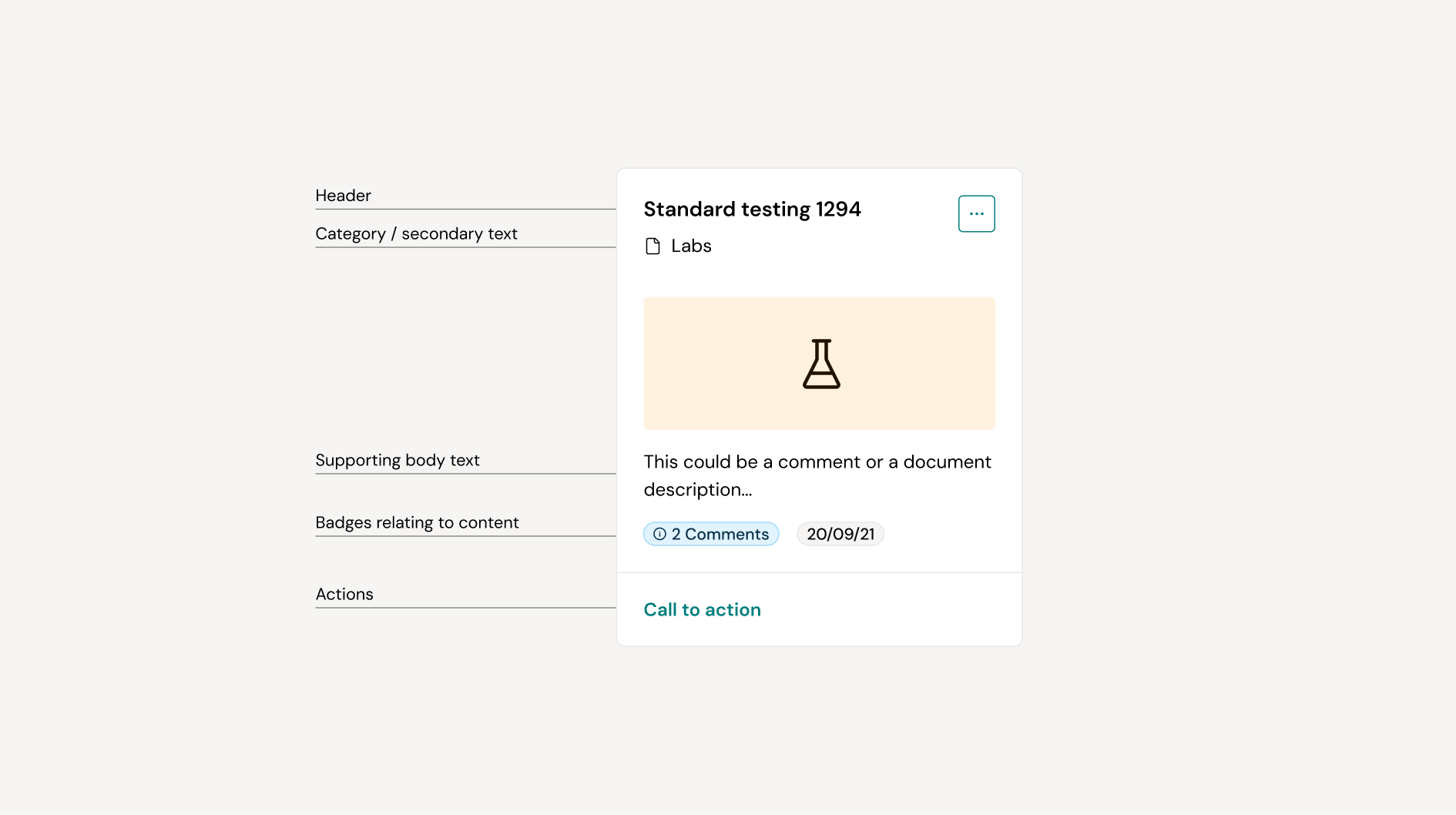
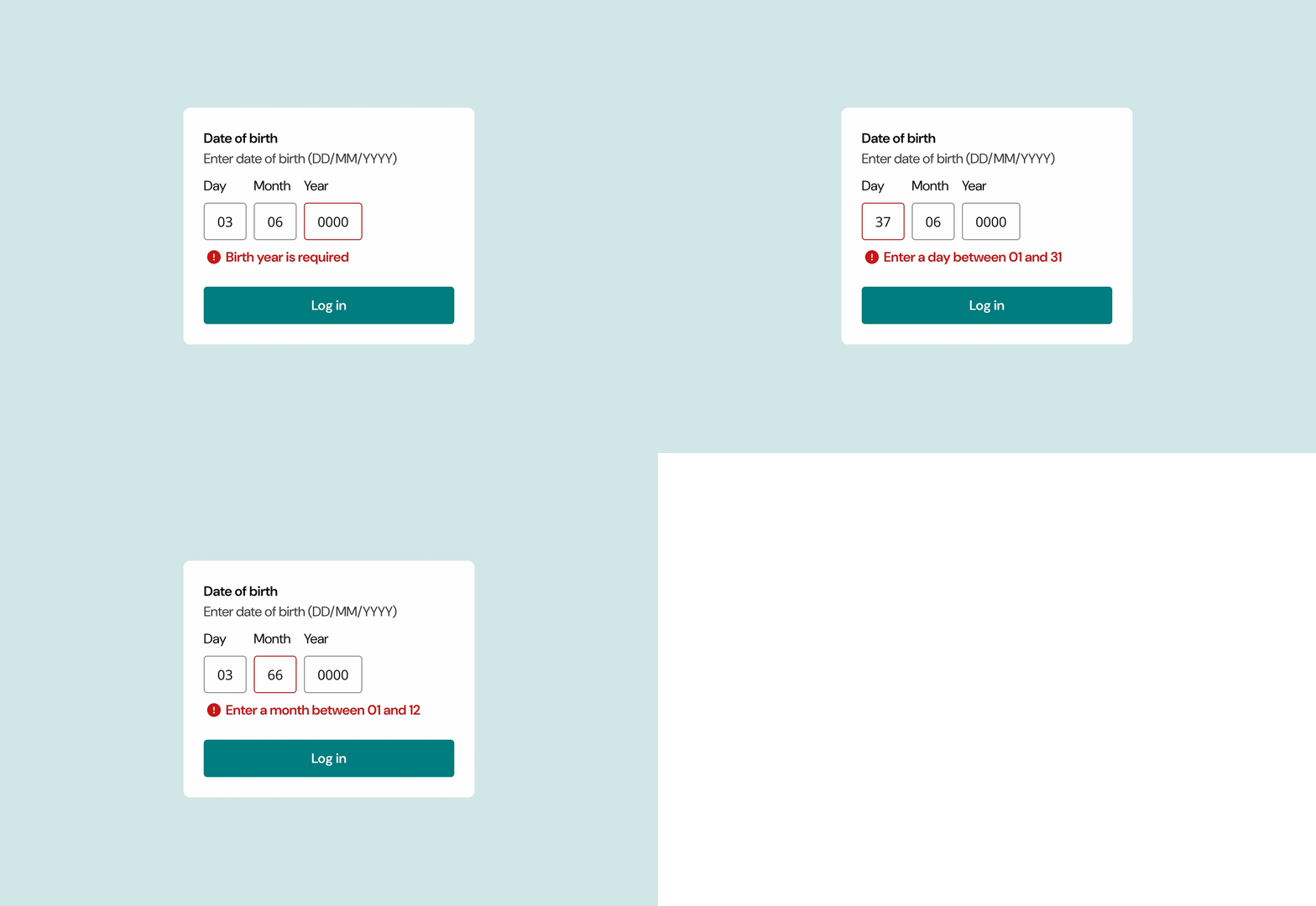
User feedback highlighted confusion and poor validation in the date of birth input. I redesigned the component to be fully accessible, with clear validation and error messaging. This directly reduced reporting errors by preventing invalid data entry, enabling the data team to eliminate issues caused by symbols being entered into the field.
A clear need for powerful data tables
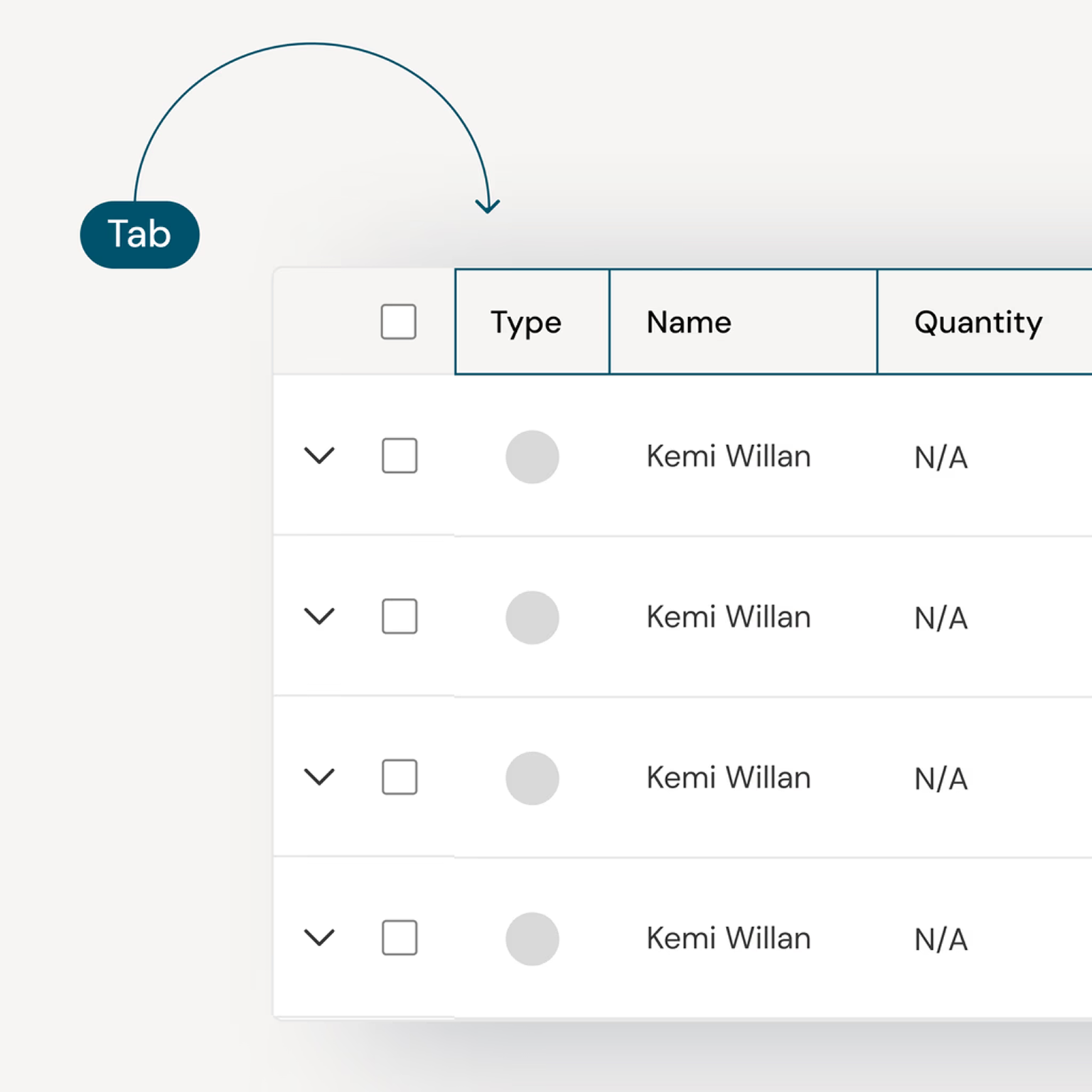
Several upcoming roadmap features required a more flexible and robust table component. I worked with developers to introduce headless open-source technology (TanStack), enabling us to deliver a powerful, accessible component with a polished visual design. This work supported multiple core features, including data reporting, data migration, and clinical workflows.
Bringing illustration into the UI
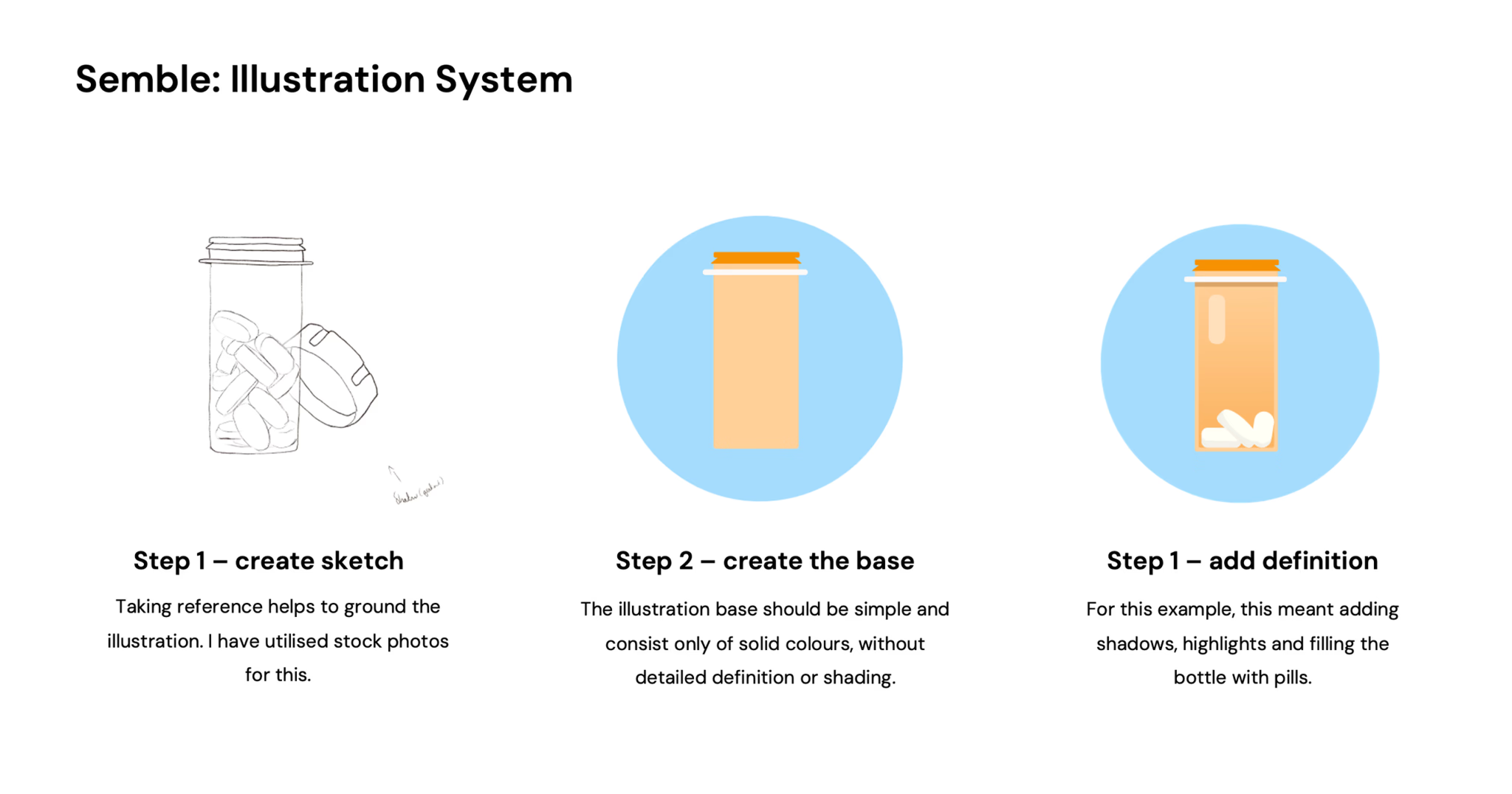
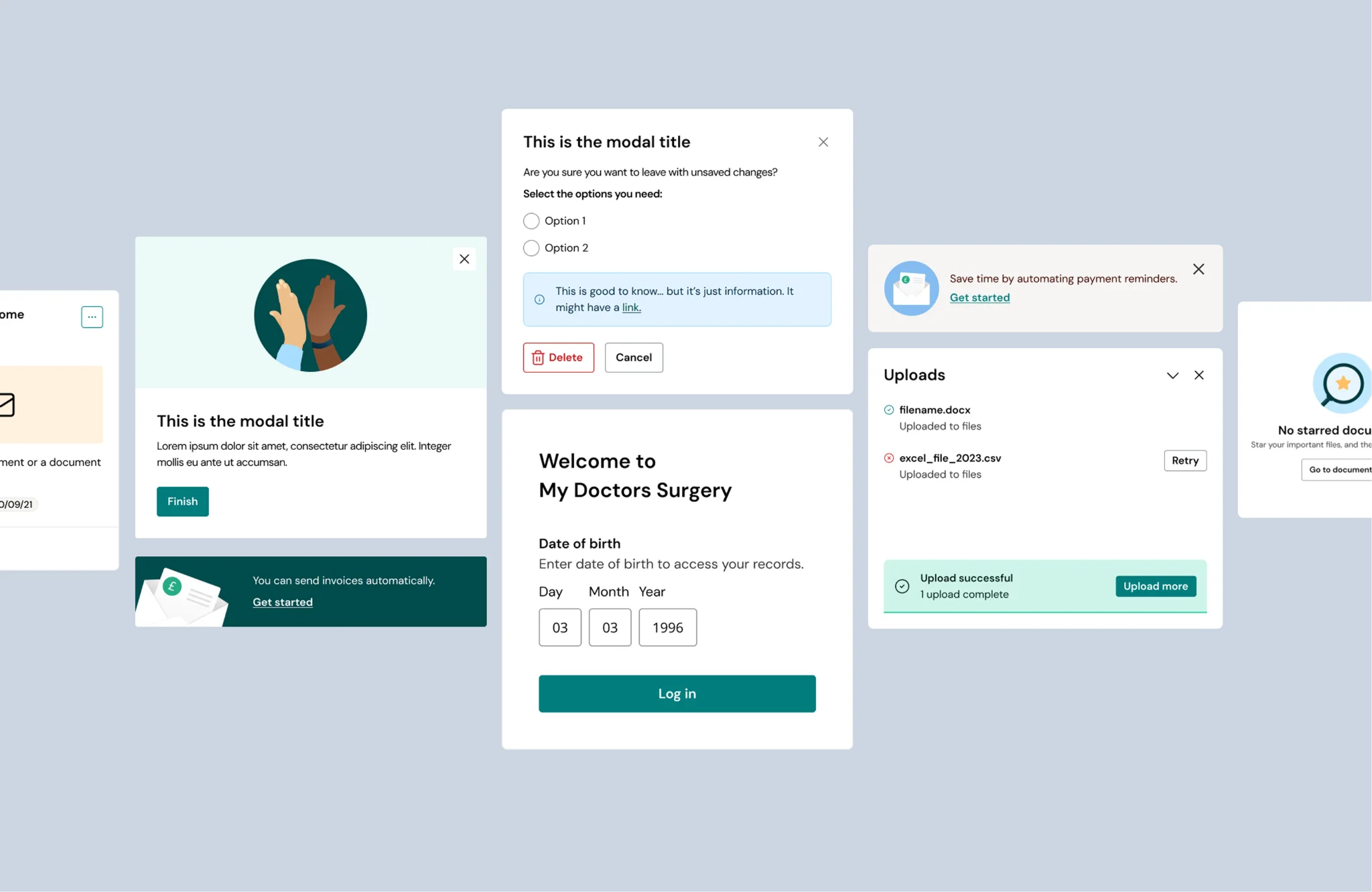
A series of outsourced briefs had left illustrations across Semble inconsistent. With a background in painting and illustration, I identified opportunities for illustration to better support the UI. I created an illustration system with 40+ modular illustrations that can be combined and easily adapted. The system is intentionally lightweight, enabling non-designers, including product managers and the head of marketing, to update and customise illustrations directly in Figma.